
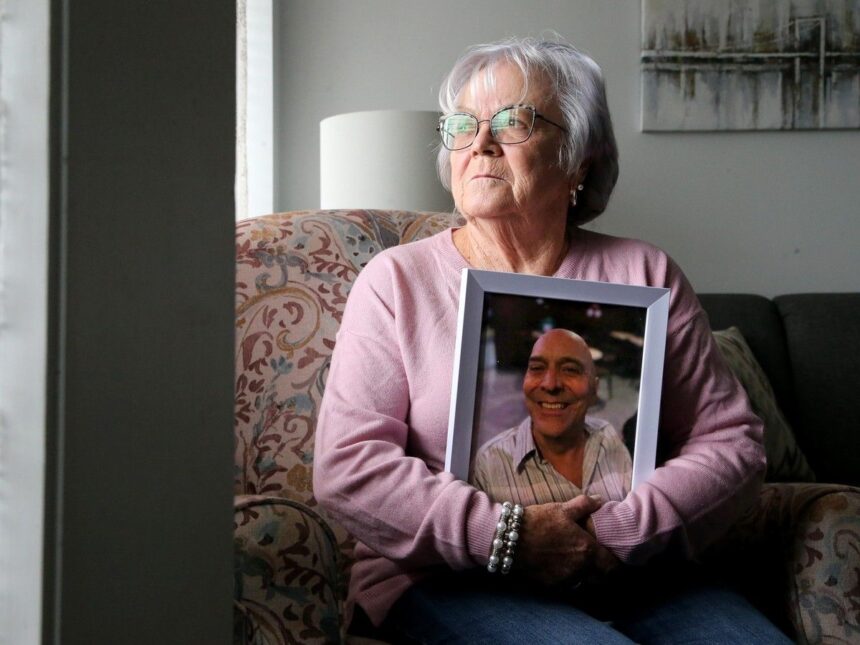

The death of John LaCombe has exposed deep cracks in Ottawa’s home care system. The 62-year-old man died alone in his apartment this January. He never received the help he desperately needed despite being approved for care.
Ontario’s Health Minister Sylvia Jones confirmed an investigation is now underway. She addressed the Ontario Legislature on April 2 about this troubling case. The minister revealed that Ontario Health atHome launched the probe immediately after discovering what happened.
LaCombe lived in the Ottawa West-Nepean riding. His local representative, NDP MPP Chandra Pasma, brought his story to the legislature. She described his death as a complete breakdown of care and accountability. Her words were stark and painful to hear.
I’ve covered countless stories about healthcare gaps in our city. But this one hits differently because of how preventable it seems. A man approved for care died waiting for someone to show up at his door.
The provincial agency Ontario Health atHome manages home care across Ontario. They work with hundreds of contractors to deliver services. But oversight appears to have failed catastrophically in LaCombe’s case.
His sister, Norine Gagnon, only heard from the agency after a reporter started asking questions. The agency called to say they were closing her brother’s file. They claimed they couldn’t reach him by phone to arrange services.
That same day, police discovered LaCombe dead in his apartment. Family members had requested a wellness check after growing concerned. Gagnon was told her brother had likely been dead for a week.
The timeline is heartbreaking and raises serious questions about accountability. How does someone approved for daily home care visits die alone and undiscovered? Why did closing a file by phone seem acceptable without any in-person check?
LaCombe’s health had declined significantly in the months before his death. He suffered a stroke in early 2025 that left him struggling to reach the phone. Gagnon said she clearly communicated this limitation to Ontario Health atHome representatives.
He also dealt with cardiac problems that caused shortness of breath. Despite this, arrangements for oxygen at home were never finalized. Gagnon, a retired nurse herself, knew what her brother needed. She advocated repeatedly for more than a year.
In the days before his death, she specifically asked healthcare professionals to knock on his door. She requested a wellness check when phone calls went unanswered. Her pleas seemingly fell on deaf ears.
Pasma told the legislature that the system completely failed both John and his family. She called it a devastating example of home care failing the vulnerable people it’s meant to protect. The MPP’s criticism was pointed and necessary.
Minister Jones defended the province’s approach while acknowledging she couldn’t comment on individual cases. She said discussing specifics wouldn’t be fair to the patient, family or ongoing investigation. That’s standard protocol, though it likely offers little comfort to those grieving.
Jones emphasized that provincial investments in home care focus heavily on oversight. The goal is ensuring people leaving hospitals can access the support they need at home. She committed to continuing work with Ontario Health atHome on this front.
But the investigation itself raises more questions about system failures. Ontario Health atHome apparently didn’t begin looking into LaCombe’s death until two months afterward. The review only started after Gagnon contacted the Ottawa Citizen about her brother’s case.
An official later told Gagnon the agency was conducting a deep dive. They wanted to understand what went wrong at every step. That acknowledgment came far too late for John LaCombe.
I think about the families across Ottawa navigating this same system right now. How many are making similar phone calls and getting bounced between agencies? How many vulnerable people are sitting in apartments waiting for help that may never arrive?
The home care sector has grown rapidly as hospitals push to discharge patients sooner. The idea makes sense on paper: people recover better at home. But only if the promised support actually materializes at their door.
Ontario Health atHome coordinates care through a network of service providers. When communication breaks down between the central agency and contractors, patients fall through gaps. Those gaps can be deadly.
Pasma called for immediate action to prevent other families from experiencing preventable loss. Her demand echoes what many Ottawa residents have been saying for years. The home care system needs serious reform and better accountability measures.
Gagnon’s persistence in telling her brother’s story deserves recognition. She could have grieved privately and moved on. Instead, she’s forcing uncomfortable but necessary conversations about system failures. That takes courage.
The investigation may eventually reveal specific breakdowns in protocols or communication. But the broader pattern is already clear to anyone paying attention. Our home care system isn’t adequately protecting vulnerable people.
I’ve watched Ottawa’s healthcare landscape evolve over my years covering this beat. We’ve seen investments and announcements and promises of improvement. Yet stories like John LaCombe’s keep emerging.
The minister’s focus on oversight sounds promising. But oversight only works if there are consequences when procedures aren’t followed. If workers can close files without wellness checks, what good are the rules?
LaCombe’s case also highlights the challenges facing family advocates. Gagnon did everything she could think of to help her brother. She used her nursing knowledge to navigate the system. She made calls and explained his limitations clearly.
None of it was enough to save him. That reality should terrify anyone with aging parents or vulnerable family members in Ottawa. If a retired nurse can’t successfully advocate for her brother, what chance do others have?
The hundreds of contractors delivering home care operate under Ontario Health atHome’s supervision. But how closely is that supervision actually happening? Are there regular audits of closed files? Do wellness checks happen before someone is discharged from the system?
These aren’t abstract policy questions anymore. They’re matters of life and death for real Ottawa residents. John LaCombe’s story proves that beyond any doubt.
Pasma noted that no one should be left alone, unheard and without support in vulnerable moments. It’s a basic standard of human dignity. Our home care system apparently can’t meet it consistently.
The coming investigation may provide answers about what specifically went wrong. But the larger question remains: how do we fix a system that allows this to happen at all? Ottawa families deserve better than crossing their fingers and hoping care actually arrives.