

The cold wind sweeping across Parliament Hill this March carries more than just the last breath of winter. It brings whispers of a political transformation that could reshape everything Canadians understand about their country’s economic future.
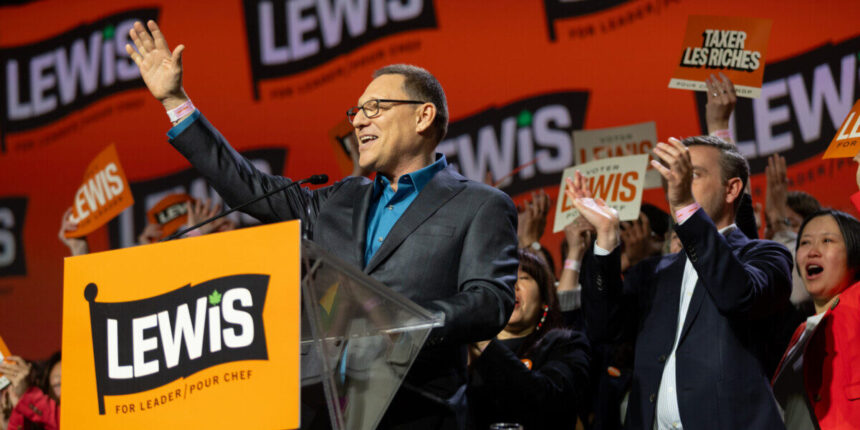
Avi Lewis stands at the center of this storm. His recent ascension to lead the New Democratic Party has reignited conversations about the Leap Manifesto, a document that seemed buried after its controversial debut years ago. I’ve covered enough political campaigns in this city to recognize when something genuinely different emerges from the usual partisan theatre.
The Leap Manifesto calls for dramatic changes to how Canada operates. It demands a swift transition away from fossil fuels. It pushes for renewable energy investments on a massive scale. The document envisions an economy built around community needs rather than corporate profits. These aren’t subtle policy adjustments or careful compromises crafted in parliamentary committee rooms.
Walking through the ByWard Market last week, I overheard two construction workers debating Lewis’s proposals over coffee. One dismissed the ideas as fantasy. The other wondered if dramatic action might actually address the housing crisis squeezing his family. That conversation captures the tension rippling through communities across Ottawa and beyond.
Lewis brings a unique background to federal politics. As a filmmaker and activist, he’s spent years documenting climate change impacts and economic inequality. His wife, Naomi Klein, co-authored the Leap Manifesto alongside activists, Indigenous leaders, and environmental advocates. Together they’ve built a movement that attracts passionate supporters and fierce critics in equal measure.
The manifesto’s core premise challenges fundamental assumptions about Canadian prosperity. It argues that extracting resources and burning fossil fuels cannot continue as the foundation of our economy. Instead, it proposes investing heavily in green infrastructure, public transportation, and renewable energy systems. The document calls for respecting Indigenous sovereignty over traditional territories. It demands economic justice for workers transitioning out of carbon-intensive industries.
Political analysts across Ottawa remain skeptical about Lewis’s electoral prospects. The NDP has struggled to break through in recent federal campaigns despite addressing legitimate concerns about affordability and climate change. Max Fawcett, writing for Canada’s National Observer, noted that Lewis faces an uphill battle convincing voters his vision is practical rather than purely aspirational.
The Conservative opposition has already begun framing Lewis as an extremist. They point to the manifesto’s call for halting new fossil fuel infrastructure projects. Alberta Premier Danielle Smith warned such policies would devastate her province’s economy. Saskatchewan’s Scott Moe echoed similar concerns about resource-dependent communities facing economic collapse.
But dismissing Lewis’s appeal overlooks genuine frustrations simmering across the country. Housing costs have exploded in cities from Vancouver to Halifax. Young Canadians increasingly doubt they’ll ever own homes or achieve the stability their parents enjoyed. Climate disasters keep intensifying with floods, fires, and extreme weather becoming disturbingly routine.
I’ve interviewed enough voters on Wellington Street and in surrounding neighborhoods to sense this unease. Traditional political promises feel hollow to people watching their purchasing power shrink while corporate profits soar. The manifesto speaks directly to these anxieties even if its solutions seem radical.
Economic experts remain divided on whether eco-socialism offers viable answers. Supporters point to successful green energy transitions in European nations. Germany invested heavily in renewable infrastructure despite initial costs. Denmark transformed its energy system while maintaining strong economic growth. These examples suggest ambitious environmental policies need not destroy prosperity.
Critics counter that Canada’s situation differs fundamentally from smaller European countries. Our vast geography and resource-based economy create unique challenges. Trevor Tombe, an economist at the University of Calgary, has written extensively about the complexities of energy transitions in carbon-producing provinces. He argues that rapid fossil fuel phaseouts risk devastating communities without viable alternatives ready.
The manifesto also addresses Indigenous rights in ways that make some Canadians uncomfortable. It calls for recognizing Indigenous sovereignty and obtaining consent before developing projects on traditional territories. For many First Nations communities, this represents overdue respect for treaty rights and land stewardship. For others, particularly in resource industries, it raises concerns about project delays and economic uncertainty.
Lewis’s leadership brings these tensions into sharp focus. He speaks eloquently about climate emergencies and social justice. His documentaries have shown the human faces behind environmental destruction and economic inequality. Yet translating filmmaking success into political power requires different skills and broader coalition building.
The NDP’s traditional base includes unions representing workers in carbon-intensive industries. Convincing autoworkers, pipeline construction crews, and oil patch employees to embrace rapid fossil fuel phaseouts presents a formidable challenge. The party needs these voters while also attracting younger environmentalists demanding urgent climate action.
Liberal strategists are watching Lewis’s rise with interest. Prime Minister Justin Trudeau has tried balancing environmental commitments with economic pragmatism. His government approved pipelines while implementing carbon pricing. This middle path satisfies neither environmentalists nor industry advocates fully. Lewis’s uncompromising stance could split progressive voters or push them toward the NDP.
Recent polling suggests Canadians hold contradictory views on these issues. Strong majorities express concern about climate change. Yet those same voters often oppose specific measures that would meaningfully reduce emissions. Carbon taxes remain deeply unpopular despite economist consensus about their effectiveness. People want action but resist personal costs or lifestyle changes.
This contradiction explains why radical proposals struggle electorally even when addressing real problems. Voters recognize climate threats and economic unfairness. But revolutionary restructuring feels risky when families worry about mortgage payments and grocery bills. Incremental change seems safer than revolutionary transformation.
Lewis must navigate these psychological barriers while maintaining his movement’s energy. Compromising too much alienates passionate supporters who see climate change as an existential threat. Remaining too rigid confirms critics’ warnings about impractical extremism. Finding that balance has eluded progressive leaders across Western democracies.
The coming months will test whether Canadians are genuinely ready for eco-socialist policies. Lewis brings charisma and conviction to debates that often feel stale and scripted. His vision offers clarity in contrast to carefully hedged political messaging. Whether that clarity translates into votes remains an open question.
Standing in Confederation Park watching early spring emerge, I consider what this moment means for Canadian politics. We face genuine challenges requiring bold responses. Climate change won’t pause for political convenience. Economic inequality keeps widening despite decades of promises. Perhaps radical proposals deserve serious consideration rather than reflexive dismissal.
Yet I also recognize how cautious voters typically behave when confronting uncertainty. Revolutionary change sounds appealing until people worry about their jobs and savings. Lewis must convince Canadians that his vision offers security rather than chaos. That’s an enormous task in a country where stability and compromise run deep in our political culture.