
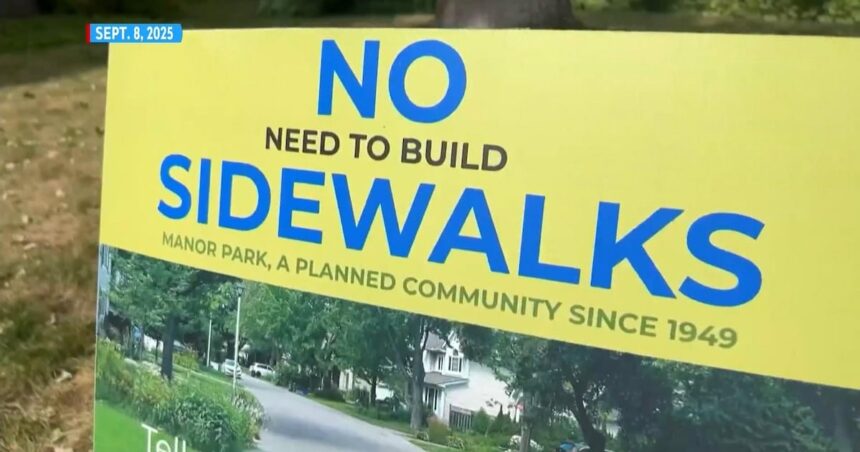

Walking through Manor Park on a crisp afternoon, I’ve noticed something interesting about this established Ottawa neighborhood. Some streets have sidewalks while others don’t. That’s about to change for a handful of residential roads, whether everyone agrees or not.
The city’s public works committee just approved a plan that’s been brewing for months. Four streets in Manor Park will get new sidewalks as part of bigger infrastructure work. It sounds simple enough, but the decision has divided residents and even put councillors at odds with each other.
Councillor Rawlson King represents the area, and he’s been hearing from neighbors on both sides. Last September, he managed to pause the sidewalk project after residents raised concerns. They thought the issue deserved more discussion and community input before concrete got poured.
Fast forward to this week’s committee meeting, and the outcome flipped completely. King tried again to delay the sidewalks with a formal motion. Seven councillors voted against his request while only five supported it. The sidewalks won by a clear margin.
Arundel Avenue, Kilbarry Crescent, and Braemar Street will all see new pedestrian pathways installed soon. The work ties into planned upgrades for roads, sewers, and water mains in those areas. City staff say it makes financial sense to do everything at once rather than tearing up streets twice.
I’ve covered municipal politics in Ottawa for years now, and sidewalk debates always get heated. People feel strongly about their street’s character and how changes might affect property lines or mature trees. Manor Park has that established neighborhood feel where residents know each other and care deeply about preserving what they love.
Supporters of the sidewalks argue they improve safety, especially for kids walking to school and older residents. Manor Park sits near several schools, and families want safe routes for children. Winter walking becomes easier with maintained sidewalks compared to navigating snow-covered road edges.
The opposition sees things differently, though their specific concerns weren’t detailed in the committee discussion. Some residents typically worry about losing front yard space, potential tree removals, or additional costs through property assessments. Others simply prefer the quieter, less urban character of streets without concrete pathways.
City planners have been working on pedestrian connectivity across Ottawa for years. Official plans emphasize walkable neighborhoods and safe routes to schools and transit. Manor Park’s situation fits into this broader vision, even when individual streets resist the changes.
The timing connects to necessary infrastructure renewal work already scheduled for these streets. Underground pipes and road surfaces have lifespans, and Manor Park’s aging systems need upgrades. Adding sidewalks during this work costs less than returning later for a separate project.
Councillor King’s position reflects his constituents’ divided opinions. He represents everyone in his ward, including those who oppose the sidewalks. His deferral attempt showed he was listening to concerned residents, but committee members ultimately prioritized the safety and connectivity arguments.
Seven councillors from across Ottawa supported moving forward despite local resistance. They likely weighed pedestrian safety and city-wide walkability policies against neighborhood concerns. Committee votes sometimes override individual councillor preferences when broader municipal interests come into play.
The debate stretches back to last summer when initial plans surfaced. Residents had months to voice opinions at community meetings and through written submissions. City staff reviewed the feedback before bringing recommendations back to committee. The process followed standard consultation procedures, even if the outcome disappointed some neighbors.
Construction timelines weren’t specified in the committee decision, but infrastructure projects typically move forward within months of approval. Contractors will coordinate sidewalk installation with the underground and road surface work. Residents should expect disruption as the comprehensive upgrades proceed.
Manor Park developed decades ago when sidewalks weren’t standard on every residential street. Many Ottawa neighborhoods share this characteristic, with main roads having pathways but quieter streets going without. Modern safety standards and accessibility requirements have shifted city thinking on pedestrian infrastructure.
I’ve walked through Manor Park numerous times while reporting on community stories. It’s a neighborhood with beautiful older homes, established trees, and that comfortable lived-in feeling. Changes always feel significant in places like this, where consistency and familiarity matter to long-time residents.
The committee’s decision demonstrates how municipal governance balances competing interests. Local preferences matter, but city-wide policies and safety considerations sometimes take precedence. Councillors must weigh individual ward concerns against broader urban planning goals.
Property owners along the affected streets will likely receive detailed notices about construction schedules and any related costs. The city typically provides information sessions for residents directly impacted by infrastructure projects. Communication becomes crucial when neighborhoods divide over changes.
This situation highlights a common Ottawa challenge. Our city blends older established areas with modern infrastructure expectations. Retrofitting mature neighborhoods with contemporary safety features creates tension between preservation and progress. Both sides usually have valid points worth considering.
The sidewalk installation will permanently change the streetscape along those four roads. Future residents might appreciate the pedestrian infrastructure without remembering the controversy. Or perhaps they’ll value the mature character that concerned current neighbors. Time often reshapes how we view neighborhood evolution.
For now, Manor Park residents opposed to the sidewalks face a decision approved despite their concerns. Those who supported the changes see validation of their safety priorities. The concrete reality will arrive soon, transforming these streets regardless of lingering disagreement.