
When Peter Burpee tells me the fight isn’t over in Manor Park, I hear the exhaustion in his voice. This is a community that thought they’d made their case months ago. Now the sidewalk debate is back, and residents are bracing for round two.
I’ve covered enough municipal infrastructure battles to know this pattern well. A project gets deferred after community pushback. Everyone takes a breath. Then it resurfaces at committee, and suddenly we’re right back where we started. Manor Park is experiencing exactly that right now.
The city wants to add sidewalks to four residential streets near St. Laurent Boulevard. It’s part of a bigger road, water and sewer upgrade in the area. City officials say it makes sense to build them now while the crews are already there. The math seems straightforward on their end. Build sidewalks now for about $180,000 or wait and pay between $500,000 and $700,000 later.
But residents like Burpee and Mary Ellen Porter aren’t buying the safety argument. They point to 75 years of neighbourhood history. According to Burpee, there hasn’t been a single pedestrian incident in those seven and a half decades. Porter walks the streets regularly and says she’s never had to dodge traffic.
I find this disconnect fascinating. City planners see missing sidewalks and think about universal accessibility standards. They think about best practices and liability. Residents see quiet streets where kids play and neighbours walk without incident. Both sides are looking at the same streets but seeing completely different realities.
What strikes me most about this debate is Burpee’s claim about mobility issues. He says neighbours with disabilities actually approached him to oppose the sidewalks. That’s not what you typically hear in these discussions. Usually accessibility advocates push hard for sidewalks. Burpee insists these residents and their children can’t deal with traditional sidewalk infrastructure.
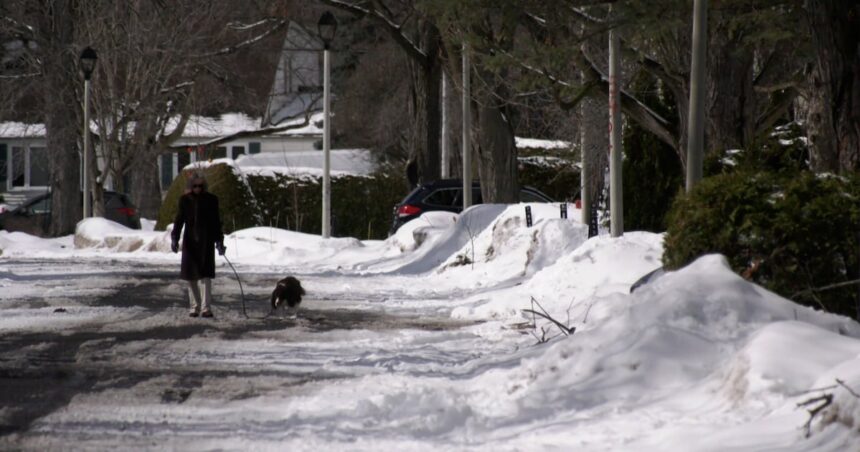
I’ve walked through Manor Park several times over the years. It does have a distinct character. The streets were designed differently than newer suburban developments. There’s a certain aesthetic that comes with older neighbourhoods built before sidewalks became standard. Wide boulevards, mature trees, homes set back from the street. Adding concrete walkways would fundamentally change that feel.
Hélène Le Pommellet raises a practical concern I hear constantly covering Ottawa municipal issues. Winter maintenance. She’s worried about snow and ice building up on sidewalks that might not get cleared quickly. Anyone who’s lived through an Ottawa winter knows this isn’t a trivial concern. The city’s sidewalk clearing priorities often leave residential areas waiting days after a storm.
I checked in with Councillor Rawlson King’s office. He’s staying quiet until he reviews the full report and options. Smart move politically. This issue clearly has passionate voices on both sides. No point wading in before seeing what staff actually recommend.
The green space and parking concerns also keep coming up. Adding sidewalks means losing boulevard space. It might mean removing mature trees. Some driveways might need reconfiguration. These aren’t just aesthetic issues for residents who’ve invested decades into their properties.
Burpee makes an interesting historical point. The city deliberately designed some neighbourhoods without sidewalks. The peripheral streets around those areas got them instead. It was an intentional planning choice, not an oversight. Now the city wants to retroactively apply modern standards to a 75-year-old design.
From covering municipal politics, I know this tension well. Cities evolve. Standards change. What seemed perfectly fine in 1950 doesn’t necessarily meet 2025 expectations for accessibility and safety. But that evolution creates real conflict with established communities.
The 90 percent opposition figure Burpee cites is notable. If accurate, that’s overwhelming community sentiment. But I’ve also learned to be cautious with these numbers. Vocal opponents often dominate public consultations while satisfied residents stay quiet. City staff likely have their own engagement data.
What really matters now is what happens at the Public Works and Infrastructure Committee on March 30. That’s where staff will present their recommendations. Committee members will ask questions. Delegations from Manor Park will make their case. Then it moves to full council for a final decision.
I’ve sat through countless committee meetings like this. They follow a predictable rhythm. Staff present technical analysis. Residents bring emotional appeals and lived experience. Councillors try balancing competing interests while thinking about the next election. Infrastructure decisions become referendum on neighbourhood identity.
The cost differential the city presents is substantial. Spending an extra $320,000 to $520,000 later isn’t fiscally responsible by any standard measure. But residents counter that spending $180,000 on unwanted infrastructure isn’t responsible either. They’d rather the city just leave things alone.
Porter’s comment about things being settled resonates with a broader frustration I’m noticing. Residents feel like they already won this fight. They showed up to meetings. They made deputations. The city deferred the project. That should have been the end. Now they’re learning that deferred doesn’t mean defeated.
This is where municipal politics gets messy. Staff still believe sidewalks are the right answer. They have professional standards and best practices guiding their recommendations. One round of community opposition doesn’t necessarily change the underlying analysis. So the project comes back, perhaps with minor adjustments, and the debate starts fresh.
I’m curious whether city staff will present any modified options this time. Maybe sidewalks on fewer streets. Maybe different materials or designs. Maybe enhanced maintenance commitments. Or maybe they’ll stick with the original plan and make the case more forcefully.
What Manor Park residents are experiencing isn’t unique. I’ve covered similar debates in Westboro, the Glebe, Rockcliffe Park and other established neighbourhoods. Change comes slowly to areas with strong community identity. When it does come, it rarely arrives without a fight.
The committee meeting on March 30 will tell us a lot. If staff recommend proceeding despite opposition, that signals confidence in their position. If they recommend further consultation or modified plans, community pressure is working. Either way, Peter Burpee is right. The fight definitely isn’t over.