

The familiar ritual of Easter dinner planning has become a financial puzzle for families across Ottawa this year. Walking through the aisles of Loblaws on Rideau Street last week, I overheard a mother explaining to her daughter why they’d be skipping the leg of lamb this year. That conversation, quiet and matter-of-fact, captured something many of us are feeling as the holiday approaches.
Food prices have climbed steadily over the past months, and the traditional Easter meal is taking a particularly hard hit. Statistics Canada reports that grocery costs have increased by 8.4 percent nationally over the last year. Here in Ottawa, residents are seeing those numbers play out in real time at checkout counters across the city.
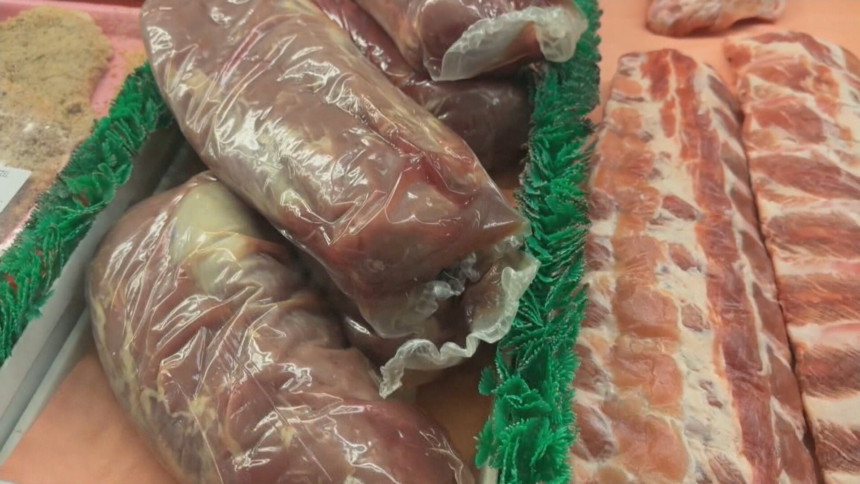
The cost of meat has become especially problematic for holiday planners. A typical leg of lamb that might have cost around forty-five dollars last Easter now runs closer to sixty-five dollars at many local grocery stores. Ham prices have also jumped significantly, with bone-in options increasing by roughly twelve to fifteen dollars per cut compared to last year.
Chocolate, another Easter staple, hasn’t escaped the price surge either. Cocoa prices have reached historic highs on global markets, and that reality is reflected on store shelves throughout Ottawa neighborhoods. The decorative chocolate bunnies and cream-filled eggs that children eagerly anticipate now come with price tags that give parents pause.
“We’re seeing families make really tough choices,” says Michelle Doucette, executive director of the Ottawa Food Bank. “People who might have hosted large Easter gatherings are scaling back or asking guests to contribute dishes. Others are switching out traditional items for more affordable alternatives.”
The Ottawa Food Bank has experienced a noticeable uptick in demand heading into the Easter weekend. Doucette notes that approximately 1,200 additional families accessed their services in March compared to the same period last year. Many of these families are working households who simply can’t stretch their budgets far enough to cover both regular expenses and holiday meals.
Local butcher shops are trying to help customers navigate the price increases. At Saslove’s Meat Market in the ByWard Market, owner Barry Saslove has noticed customers asking more questions about cheaper cuts and portion sizes. He’s been recommending options like pork shoulder roasts or chicken as alternatives to the pricier lamb and prime rib cuts.
“People still want to celebrate, they’re just being smarter about it,” Saslove explains. “I’ve had customers who’ve been buying leg of lamb from us for twenty years switch to other options this year. It’s not what they want to do, but they’re making it work.”
The produce section offers some relief, though not much. Vegetables like carrots, potatoes, and asparagus have seen more modest price increases. Still, when combined with the dramatic jumps in protein and specialty items, the overall grocery bill adds up quickly.
Jacqueline Sorensen, a nutritionist at the Centretown Community Health Centre, has been counseling clients on how to maintain nutritious holiday meals while managing costs. She suggests focusing on plant-based proteins, buying seasonal produce, and preparing dishes from scratch rather than purchasing pre-made options.
“There’s no shame in adjusting your menu,” Sorensen emphasizes. “A beautiful meal doesn’t require expensive ingredients. What matters is gathering together and sharing food, whatever that looks like for your family.”
Some Ottawa restaurants have responded to the affordability crisis by offering Easter meal packages at various price points. The Mayflower Restaurant in Chinatown has created family-style takeout options designed to serve four people for under eighty dollars. Other establishments across the city have followed similar approaches, recognizing that dining out might actually cost less than preparing an elaborate meal at home.
The pressure isn’t just affecting individual families. Community organizations and churches that traditionally host Easter dinners for vulnerable residents are grappling with budget constraints too. St. Joe’s Supper Table, which serves meals to people experiencing poverty and homelessness, estimates their food costs have increased by nearly thirty percent compared to last year.
“We’re committed to serving our community regardless of cost, but it means we have to fundraise more aggressively,” says coordinator Tom McCarthy. “Every dollar counts when you’re trying to provide a dignified, festive meal to hundreds of people.”
Agriculture and Agri-Food Canada points to several factors driving the price increases. Supply chain disruptions, increased transportation costs, and unfavorable weather affecting crop yields have all contributed to higher prices at the consumer level. The weak Canadian dollar compared to the U.S. currency also makes imported goods more expensive.
For Ottawa families, these macro-economic explanations offer little comfort when facing the immediate challenge of feeding loved ones during a holiday traditionally centered around abundance. The decisions being made at kitchen tables across the city reflect a broader economic anxiety that extends well beyond Easter weekend.
Some residents have turned to creative solutions. Bulk buying clubs have seen increased membership as families pool resources to access wholesale prices. Community gardens are reporting earlier-than-usual inquiries from people hoping to grow their own vegetables this summer. Recipe blogs focused on budget-friendly meals have gained popularity among local readers.
The reality is that Easter 2026 will look different for many Ottawa households. Smaller gatherings, simplified menus, and potluck-style arrangements are becoming the norm rather than the exception. While these adjustments may feel disappointing, they also reflect the resilience and adaptability that define our community.
As someone who’s covered Ottawa stories for over two decades, I’ve seen how residents respond to challenges with practical creativity. The rising cost of Easter dinner is undeniably frustrating, but it’s also prompting conversations about what truly matters during holidays. Perhaps this year, the focus will shift slightly from the perfect table to the people gathered around it.