
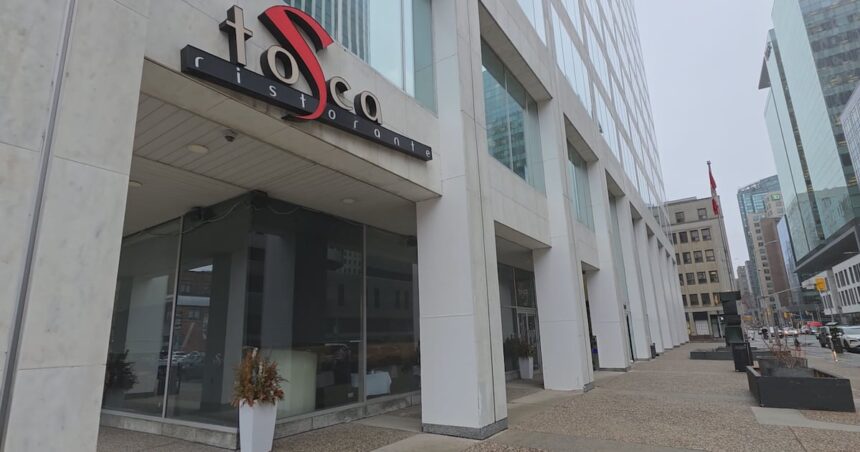

Standing outside Tosca Ristorante last Tuesday, I watched patrons enjoy what might be one of their final meals there. The elegant Italian spot on O’Connor Street will close its doors in April. It’s another loss for downtown Ottawa’s struggling restaurant scene.
The announcement hits particularly hard because Tosca isn’t alone. La Squadra across the river in Gatineau just revealed similar plans. Both establishments are closing within weeks of each other. This follows 99 VIP Seafood Restaurant’s abrupt closure on Rideau Street after barely a year in business.
I’ve covered Ottawa’s downtown core for years now. What’s happening to these restaurants reflects deeper problems in our city’s heart. The owner of Tosca confirmed the closure to CTV News Ottawa, citing challenges that many restaurant operators whisper about privately.
COVID-19’s shadow still looms large over the hospitality industry. Tosca’s owner explained that bouncing back from the pandemic has proven incredibly difficult. But the pandemic isn’t the only culprit threatening survival. Downtown foot traffic remains stubbornly low compared to pre-2020 levels.
Office workers who once filled lunch tables now work remotely. The bustling midday crowds that sustained many establishments have largely disappeared. Evening traffic hasn’t compensated for these losses either. Many downtown streets feel emptier than they should.
Aggressive parking enforcement has emerged as another significant concern. The owner specifically mentioned Bylaw Services officers’ ticketing practices as a factor driving customers away. Potential diners apparently choose suburban locations over downtown venues to avoid parking hassles and fines.
This creates a frustrating cycle for restaurant owners. Less foot traffic means fewer spontaneous customers. Strict parking enforcement discourages those who might drive downtown specifically to dine. The combination squeezes already thin profit margins.
Tosca described itself as a place “where elegance meets charm, sophistication meets comfort, and tradition meets contemporary.” The restaurant carved out a reputation for quality Italian cuisine in an increasingly competitive market. Yet quality alone couldn’t overcome mounting economic pressures.
The 99 VIP Seafood Restaurant situation tells an even starker story. A bailiff’s notice revealed the landlord, Colonnade BridgePort, terminated the lease for non-payment. The restaurant owed $83,301.16 in defaults and arrears plus $1,800 in fees. Failing after less than twelve months suggests serious financial struggles from the start.
La Squadra’s announcement across the river in Gatineau carries similar themes. Management released a heartfelt statement explaining their closure decision. “This decision was not easy,” they wrote. “It was forced upon us by economic realities.”
The Gatineau restaurant emphasized the passion and effort invested over years of operation. Their statement highlighted encounters and memories that would stay with them forever. But sentiment doesn’t pay rent or cover payroll when revenue falls short.
La Squadra positioned itself as fine dining with Italian inspiration. Like Tosca, they targeted customers seeking elevated dining experiences. Both restaurants occupied similar market positions in their respective cities. Both now face the same fate despite their efforts.
Restaurants Canada has documented widespread financial distress across the hospitality sector. Rising food costs, labor shortages, and increased operational expenses create perfect storm conditions. Many establishments operate on razor-thin margins even during good times.
The City of Ottawa faces difficult questions about downtown revitalization strategies. Current approaches clearly aren’t working for many small businesses. Restaurant closures represent canaries in the coal mine for broader economic health concerns.
I’ve spoken with several downtown business owners off the record recently. Many express frustration with what they perceive as insufficient municipal support. They feel caught between competing pressures with limited resources to adapt.
Some downtown restaurants have survived by pivoting their business models. They’ve embraced delivery services, adjusted menus, or reduced operating hours. But these adaptations require capital investment and aren’t viable for every establishment.
The psychological impact of repeated closures shouldn’t be underestimated either. Each shuttered restaurant chips away at downtown’s vibrancy and appeal. Vacant storefronts create visual blight that discourages other potential visitors.
Local food critics and hospitality industry advocates have called for policy changes. Suggestions include relaxed parking enforcement near restaurants, reduced licensing fees, and targeted financial support programs. Whether city council will implement such measures remains uncertain.
Downtown Ottawa’s restaurant scene once thrived with diverse culinary options. Italian, Asian, French, and fusion establishments competed for customers’ attention. That diversity now faces serious threats as economic realities force closures.
The timing particularly stings because spring typically brings renewed energy downtown. Patios open, tourists arrive, and locals emerge from winter hibernation. Instead, April will mark endings rather than beginnings for Tosca and La Squadra.
Restaurant workers face uncertain futures as these closures approach. Servers, cooks, dishwashers, and managers must seek employment elsewhere. Some will find positions at other establishments. Others may leave the industry entirely after pandemic-era disruptions.
I genuinely hope city officials take these closures seriously. Downtown’s vitality depends on thriving small businesses like restaurants. Empty storefronts on O’Connor Street and Montcalm Street represent more than failed businesses. They symbolize communities losing gathering spaces and character.
The coming weeks will reveal whether these closures spark meaningful policy discussions. Restaurant owners, workers, and patrons deserve better support navigating ongoing economic challenges. Our downtown cores deserve fighting chances to rebuild their former energy.
For now, Tosca and La Squadra join a growing list of casualties. Their closures remind us that economic recovery remains incomplete and fragile.