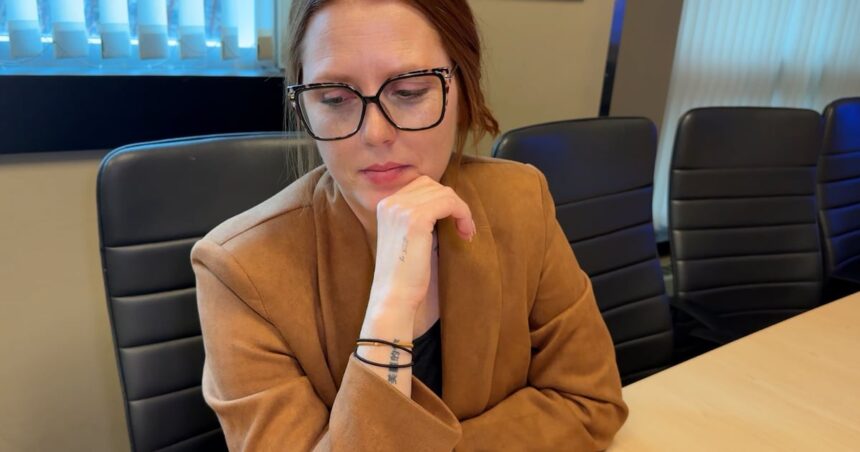

Chantal Theriault spent over twenty years caring for others at The Ottawa Hospital. She worked in admissions first. Then she moved to the intensive care unit. Her colleagues were people she deeply respected and admired.
Six years ago, everything changed. She noticed a tremor in her hand. It seemed minor at first. She tried to brush it off. But the tremor didn’t stop. It spread to her arm. Then it reached her leg. Something was clearly wrong.
Getting medical help during the pandemic proved challenging. Her first appointment happened over the phone. Explaining physical symptoms without being seen was frustrating. She knew she needed more thorough examination.
After multiple tests and an MRI, doctors referred her to a neurologist. The appointment brought news that would reshape her entire life. At just 37 years old, Theriault received a Parkinson’s disease diagnosis.
Her first reaction was disbelief. She thought the doctor had mixed up patient files. Parkinson’s affected older people, she believed. Faces like Muhammad Ali and Michael J. Fox came to mind. The diagnosis felt impossible for someone her age.
The moment felt surreal. Time seemed to freeze. Her mind went blank as she processed the information.
Parkinson’s gradually affects how the brain controls movement. Tremors become common. Muscles grow stiff. Everyday motions slow down significantly. The condition worsens over time.
Dr. Michael Schlossmacher works as a neurologist at The Ottawa Hospital. He explains that while most associate Parkinson’s with seniors, younger people get it too. Between 10 and 15 percent of cases involve people under 40. Medical professionals call this “young onset” Parkinson’s.
Theriault belongs to this frequently overlooked group. Young patients often face misdiagnosis. Doctors sometimes miss the signs entirely. The symptoms don’t match what many expect.
Treatment options remain limited despite decades of research. Schlossmacher points out that medications from 1962 still form the foundation of care. Most treatments focus on dopamine replacement therapy. This approach helps manage slowness, tremors, and stiffness.
Symptoms typically start on one side of the body. Over 90 percent of patients benefit from dopamine therapy. People continue this treatment for life. No cure exists yet.
Since her diagnosis, Theriault’s symptoms have expanded beyond that initial tremor. Muscle contractions now occur regularly. Fatigue has become a constant companion. Involuntary movements interrupt her day.
Living with these symptoms takes tremendous energy. Even when others can’t see what’s happening, her body fights internal battles. The exhaustion is real and relentless.
Despite these challenges, Theriault refuses to let Parkinson’s dictate her life. She continues working at the hospital. She still drives herself around Ottawa. Staying active remains a priority.
Kickboxing has become especially important to her routine. The physical activity helps manage symptoms. It provides both exercise and mental strength. She credits it as essential to maintaining her quality of life.
Her role has evolved beyond being just a patient. Through The Ottawa Hospital Foundation, she participates in clinical trials. These studies help researchers understand Parkinson’s better. New treatments emerge from this kind of work.
Schlossmacher speaks highly of her commitment. Her curiosity about research impresses him. She understands what clinical trials mean. She communicates their importance effectively. Her participation makes a real difference.
The Ottawa Hospital combines advanced research with patient care. This integrated approach improves outcomes for people with neurological diseases. Patients like Theriault benefit from cutting-edge treatments. They also help shape future care.
One major goal is improving early diagnosis. Currently, family doctors and nurse practitioners have limited tools. Many people living with Parkinson’s never see a neurologist. Estimates suggest 30 to 40 percent never receive specialist care.
Developing simple, inexpensive diagnostic tools would transform care. Family doctors could identify Parkinson’s earlier. More patients would receive proper treatment sooner. Access to specialized care would improve significantly.
Theriault’s perspective has shifted dramatically since her diagnosis. Medical research used to be someone else’s concern. Now it feels deeply personal. Her future depends on these advances. So does the future of countless others.
Her outlook reflects remarkable resilience. When obstacles appear, she doesn’t accept defeat. If a door closes, she finds a way through. Sometimes that means kicking it down.
Parkinson’s progression varies greatly between individuals. No standard timeline exists. Some people decline quickly. Others maintain function for decades.
For now, Theriault’s symptoms remain manageable. She maintains her independence. Her daily routines continue. Her determination hasn’t wavered.
Working at The Ottawa Hospital gave her years of experience helping patients. Now she understands their perspective intimately. The hospital hallways she once walked as staff now see her as both colleague and patient.
This dual perspective informs her advocacy. She knows how the healthcare system works. She understands its strengths and limitations. Her voice carries weight in conversations about improving care.
Young onset Parkinson’s presents unique challenges beyond medical symptoms. Career concerns affect people still in their prime working years. Family responsibilities don’t pause for illness. Social connections can strain under the weight of diagnosis.
Friends and colleagues sometimes don’t know how to react. The disconnect between her age and the disease creates awkwardness. People struggle to understand what she’s experiencing.
But Theriault has built a support network. Her Ottawa Hospital colleagues understand her situation. Her family provides essential emotional backing. Fellow Parkinson’s patients offer unique understanding.
The kickboxing community has become particularly meaningful. Exercise partners see her strength, not just her diagnosis. The shared physical challenge builds genuine connections. These relationships help combat isolation.
Ottawa’s medical research community continues pushing for breakthroughs. Local neurologists work alongside international colleagues. Clinical trials here contribute to global understanding. Patients willing to participate make progress possible.
Theriault’s involvement in research gives her hope. Each trial brings potential for new insights. Medications might improve. Diagnostic tools could advance. Understanding deepens with each study.
She knows she’s helping others who will face this diagnosis. Future patients might benefit from treatments she helps test. That knowledge provides purpose beyond managing her own symptoms.
Her story challenges common assumptions about Parkinson’s disease. Age doesn’t protect anyone from neurological conditions. Young people face these battles too. Their experiences deserve recognition and support.
Living with chronic illness requires daily courage. Theriault demonstrates this every time she goes to work. Every kickboxing session shows her commitment. Every research appointment advances the collective fight.
The tremor that started everything continues. Medications help manage it. Exercise keeps her strong. Determination fuels her forward motion.
Parkinson’s has changed her life profoundly. But it hasn’t stopped her. She remains active, engaged, and hopeful. Her future isn’t written by disease alone. She’s writing it herself, one determined day at a time.