
I’ve been covering education and public health stories in the Greater Toronto Area for years, and this latest development out of Peel Region caught my attention immediately. Parents across Mississauga, Braintree, and Caledon are receiving notices that could affect their children’s ability to attend school, and the issue centers on something many families might have overlooked: vaccination records.
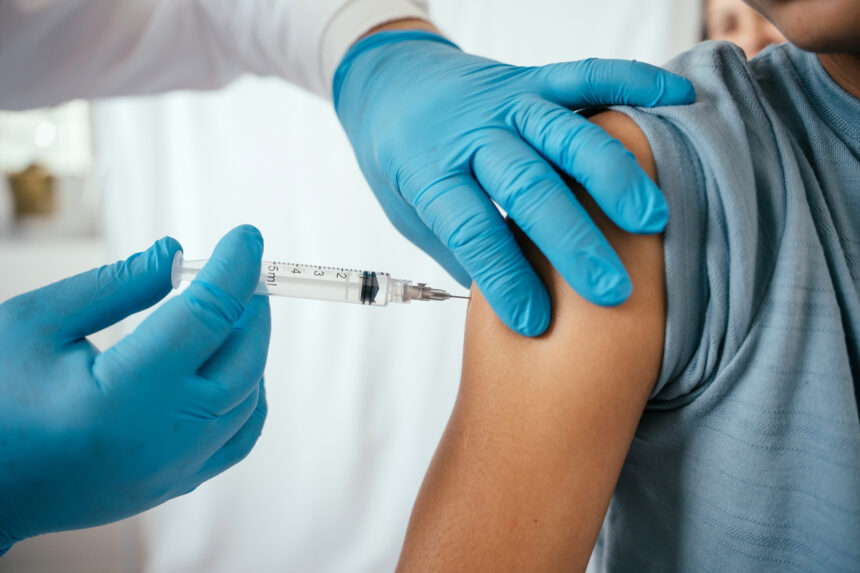
Peel Public Health has started sending suspension notices to families whose children lack up-to-date immunization documentation. The policy isn’t new, but the enforcement has become more rigorous. Students who don’t have proper vaccination records on file could face temporary removal from classrooms until their families resolve the issue.
Dr. Jessica Martinez, Peel Region’s Associate Medical Officer of Health, explained the situation clearly during a recent press conference. “We’re not asking families to do anything unreasonable,” she said. “Ontario’s Immunization of School Pupils Act requires students to be vaccinated against certain diseases. Our role is ensuring compliance for everyone’s safety.”
The diseases covered under the act include measles, mumps, rubella, polio, diphtheria, tetanus, and whooping cough. These aren’t arbitrary choices. Each of these illnesses can spread rapidly in school settings where children interact closely throughout the day.
What surprised me while researching this story was the number of families affected. Peel Public Health reports that approximately 8,000 students across the region currently have incomplete or missing vaccination records. That’s a significant portion of the student population, and it suggests many parents simply haven’t kept up with documentation requirements rather than opposing vaccines themselves.
The suspension process follows a specific timeline that gives families multiple opportunities to comply. First, parents receive an initial notice identifying which vaccinations are missing or need documentation. They then have a grace period to either provide proof of immunization, schedule appointments to receive missing vaccines, or submit a valid exemption form.
Sarah Thompson manages a dental practice in Mississauga and has three school-aged children. She received one of these notices last month and initially felt frustrated. “I know my kids are vaccinated,” she told me over coffee at a local café. “But finding those old records from when we lived in Ottawa was a nightmare. Everything was in storage.”
Thompson’s experience reflects what many families face. People move between cities or provinces. Doctors retire or close practices. Paper records get lost during relocations. The bureaucratic challenge of tracking down documentation can feel overwhelming, especially for working parents juggling multiple responsibilities.
However, Peel Public Health has made the process more accessible than many realize. Their online portal allows families to upload vaccination records directly. Parents can also visit any of the region’s public health clinics to receive help locating missing documents or getting catch-up vaccinations at no cost.
The exemption process also remains available for families with legitimate medical or religious reasons. Medical exemptions require documentation from a physician explaining why a specific vaccine would be harmful to that particular child. Statement of conscience exemptions, based on religious or philosophical beliefs, require parents to complete an education session about vaccine safety and disease risks before being approved.
This education requirement for exemptions is relatively recent. Dr. Martinez emphasized its importance. “We want parents making informed decisions,” she explained. “Sometimes families have concerns based on misinformation they’ve encountered online. Our education sessions provide evidence-based information that helps them understand both benefits and risks.”
The timing of this enforcement push isn’t coincidental. Public health officials across Canada have expressed growing concern about declining vaccination rates in certain communities. Measles outbreaks in Vancouver and Montreal over the past two years demonstrated how quickly preventable diseases can resurge when immunization coverage drops below critical thresholds.
Schools serve as potential amplification points for infectious diseases. Children from hundreds of different households converge in close quarters, sharing air, touching common surfaces, and interacting in ways that facilitate disease transmission. High vaccination rates create what epidemiologists call herd immunity, protecting even those who cannot be vaccinated due to medical conditions.
Principal Robert Chen of a large elementary school in Brampton has watched this issue from the front lines. “Most parents want to do the right thing,” he observed. “They’re busy, and sometimes paperwork falls through the cracks. But when we explain that their child might miss school, they usually act quickly.”
Chen noted that his school’s office staff has been working overtime helping families navigate the documentation process. They’ve created information packages in multiple languages reflecting Peel Region’s diverse population, including Punjabi, Urdu, Mandarin, and Arabic translations.
The language accessibility issue matters significantly in this region. Peel has one of Canada’s most multicultural populations, with more than half of residents speaking a language other than English at home. Public health communications need to reach everyone effectively, regardless of their linguistic background.
Some parents I spoke with expressed frustration about what they see as government overreach. “I decide what’s best for my children, not bureaucrats,” said one father who asked not to be named. “These mandates feel like we’re losing freedom of choice.”
These concerns deserve acknowledgment, even as public health officials maintain that collective disease prevention requires community-wide participation. The tension between individual autonomy and public safety has always existed in vaccination policy discussions.
What makes this situation different from typical public health campaigns is the concrete consequence: school suspension. For working parents, having a child suddenly unable to attend school creates immediate logistical problems. It also potentially affects the child’s education and social development.
The suspension policy aims to motivate compliance rather than punish families. In most cases, students can return to school within days once documentation is submitted or appointments are scheduled. Peel Public Health reports that previous enforcement efforts resulted in over 90 percent of families resolving their documentation issues within two weeks of receiving initial notices.
Moving forward, the region plans to implement better systems for tracking immunization records from the start. New students enrolling in Peel schools will receive more detailed information about documentation requirements during registration. Public health nurses will also conduct regular audits to identify missing records earlier, before suspension becomes necessary.
For families currently facing these notices, the message from public health officials is straightforward: act promptly. Contact Peel Public Health, gather any vaccination records you have, and schedule appointments for missing immunizations. The process doesn’t need to be complicated, and multiple resources exist to help.
This story reminds me why local journalism matters. Policy changes like this directly affect thousands of families, yet many people remain unaware until they receive that first notice. Understanding these requirements helps parents stay ahead of potential disruptions to their children’s education.