
The concrete floor should never have been the landing spot for a seven-year-old boy’s zipline ride. But that’s exactly what happened last summer at a Scarborough trampoline park, and now the facility faces serious legal consequences that could reshape how Toronto’s entertainment venues operate.
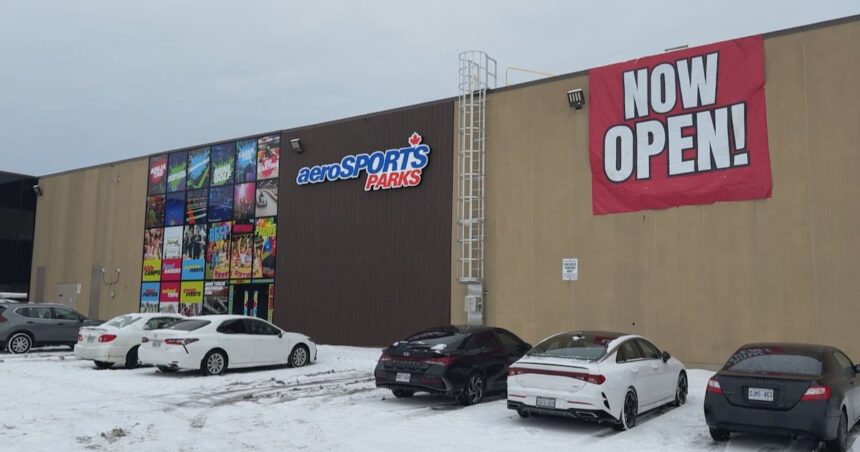
The incident unfolded on July 20, 2024, at Sky Zone Trampoline Park on McLevin Avenue. A young boy plummeted from a zipline attraction and struck the ground below. According to the Ministry of Labour, the child suffered injuries significant enough to trigger a full investigation into the facility’s safety protocols. The park now confronts charges under the Occupational Health and Safety Act, a development that sent ripples through Toronto’s recreational business community.
I’ve covered dozens of workplace safety stories across this city, and this one hits differently. Parents drop their kids off at these places expecting supervised fun, not emergency room visits. The trust implicit in that transaction makes cases like this particularly troubling for our community.
The charges stem from allegations that Sky Zone failed to ensure safety mechanisms functioned properly. Investigators determined the equipment, methods, and protective measures didn’t meet provincial standards. That’s not just bureaucratic language. It means a child fell because systems designed to prevent exactly that scenario apparently didn’t work as intended.
Toronto Public Health data shows approximately fifteen thousand children visit emergency departments annually for recreation-related injuries across the Greater Toronto Area. Trampoline parks specifically have drawn scrutiny from safety advocates who argue the industry grew faster than regulatory frameworks could adapt. Dr. Sarah Mitchell at SickKids Hospital told reporters last year that she sees a steady stream of trampoline park injuries, many involving children under ten years old.
The Ministry of Labour doesn’t charge facilities lightly. Their investigation process involves examining equipment, interviewing witnesses, and reviewing operational procedures. For charges to proceed, inspectors must find evidence suggesting violations occurred. In this case, they identified two distinct failures related to equipment safety and protective measures.
Sky Zone operates multiple locations across Canada and the United States. The brand built its reputation on active entertainment for families seeking alternatives to screen time. Their facilities typically feature interconnected trampolines, foam pits, dodgeball courts, and increasingly, zipline attractions that promise controlled thrills. The Scarborough location has served families in that community for years, becoming a popular destination for birthday parties and weekend outings.
But popularity doesn’t exempt anyone from safety obligations. Ontario’s regulatory framework requires entertainment venues to maintain equipment rigorously and implement protective systems that account for human error. Kids don’t always follow instructions perfectly. Equipment must compensate for that reality, not assume ideal conditions that rarely exist outside engineering diagrams.
The legal proceedings will unfold at the Ontario Court of Justice in Scarborough. Sky Zone faces potential penalties that could include significant fines if convicted. More importantly for the business, the case will likely influence how insurers, parents, and regulatory bodies view their operations going forward. Reputation damage in the family entertainment sector can prove more costly than any judicial penalty.
I spoke with Marcus Chen, a personal injury lawyer practicing in Toronto, who explained that criminal charges under health and safety legislation run parallel to potential civil actions. The family could pursue compensation separately from provincial prosecution. These cases often settle confidentially, meaning the public rarely learns final outcomes or whether injured parties received adequate support.
The incident raises uncomfortable questions about how Toronto regulates entertainment venues. Traditional playgrounds fall under municipal oversight with clear equipment standards. But newer attractions like trampoline parks and indoor adventure facilities occupy regulatory gray zones. Provincial workplace safety laws apply because employees work there, but consumer protection for patrons sometimes feels like an afterthought.
City Councillor Jennifer Santos, whose ward includes numerous family entertainment venues, has advocated for stricter municipal licensing requirements. She argues Toronto should implement mandatory safety audits and public reporting for facilities serving children. Current frameworks rely heavily on provincial inspectors who can’t possibly monitor every venue continuously.
The trampoline park industry nationally has attempted self-regulation through organizations like the Canadian Association of Trampoline Parks. These groups establish operational guidelines and training protocols meant to prevent incidents. However, compliance remains voluntary, and enforcement mechanisms lack teeth compared to government regulation.
Parents navigating Toronto’s entertainment landscape now face difficult calculations. Statistics suggest these venues serve millions safely annually, but each incident erodes confidence. Melissa Rodriguez, mother of three from Scarborough, told local reporters she’s reconsidering birthday party venues after learning about the charges. Her concerns reflect broader parental anxieties about trusting businesses with children’s safety.
The boy injured in July has reportedly recovered physically, though details remain private as they should be. Physical healing represents just one dimension of these incidents. The psychological impact of sudden falls and injuries can linger, affecting how children engage with recreational activities long-term.
For Sky Zone, the path forward involves both legal defense and operational reassessment. Smart businesses treat incidents as learning opportunities, examining not just what failed but why existing procedures didn’t prevent failure. That means looking beyond individual equipment malfunctions to systemic issues in training, maintenance scheduling, and safety culture.
The court date will determine legal consequences, but the broader implications extend far beyond one facility. Every trampoline park, climbing gym, and adventure center in Toronto now has reason to audit their safety protocols. Prosecutors securing convictions in cases like this send clear messages about acceptable operational standards.
This incident reminds us that recreational businesses occupy a unique position of responsibility. They profit from our desire for fun and our children’s need for active play. That transaction carries implicit promises about safety that must be honored through rigorous operational standards, not just liability waivers posted near entrances.
As Toronto continues growing and diversifying its entertainment options, we need regulatory frameworks that evolve alongside industry innovation. Kids deserve spaces where they can test limits and build confidence without unnecessary risk. Businesses deserve clear standards they can meet. And parents deserve transparency about how venues protect the children we entrust to their care.
The charges filed against Sky Zone represent accountability in action. Whether they ultimately lead to conviction matters less than the conversations they spark about safety, regulation, and responsibility in Toronto’s family entertainment sector.