
A Toronto school bus driver has learned her fate after a tragic accident that claimed a pedestrian’s life, bringing closure to a case that has weighed heavily on our city’s conscience.
The courtroom fell silent as Justice Michael Dambrot delivered his sentence. Dilmit Kaur, 31, received a conditional sentence of two years less a day for criminal negligence causing death. She will serve this time under house arrest with exceptions for work, medical appointments, and religious obligations.
This case has touched many families across Toronto. As someone who has covered countless stories about pedestrian safety in our growing city, this one hit differently. The streets we walk every day carry invisible risks that most of us never consider until tragedy strikes.
The incident occurred on a seemingly ordinary morning in October 2021. Kaur was driving a school bus near Islington Avenue and Norseman Street when she struck 59-year-old Fazal Syed. He died from his injuries, leaving behind a family struggling to understand how a routine walk could end in such devastation.
According to Toronto Police Services, Kaur failed to yield to the pedestrian who had the right of way. The investigation revealed that she simply didn’t see him crossing the street. That moment of inattention changed multiple lives forever.
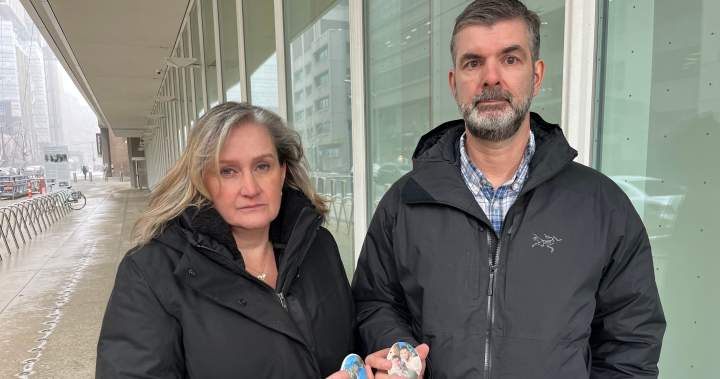
Syed’s daughter, Sonia Mughal, addressed the court during the sentencing hearing. Her words painted a picture of a beloved father whose absence creates daily pain. She spoke of family gatherings that feel incomplete and grandchildren who will grow up without their grandfather’s guidance.
The judge acknowledged the profound loss suffered by Syed’s family. He described the victim as a cherished family member whose death created a void that can never be filled. These aren’t just legal proceedings—they represent real people grappling with permanent loss.
Kaur herself expressed deep remorse during the hearing. She apologized to Syed’s family and acknowledged the irreversible harm caused by her negligence. Her lawyer argued that she has shown genuine accountability and taken steps toward rehabilitation.
The conditional sentence includes strict parameters designed to balance punishment with rehabilitation. Kaur must complete 240 hours of community service over the next two years. She’ll also serve 18 months of probation following her house arrest period.
Perhaps most significantly, she faces a five-year driving prohibition. This restriction prevents her from operating any vehicle during that time. For someone whose career depended on driving, this represents a substantial professional consequence.
Toronto’s pedestrian safety record has become increasingly concerning over recent years. According to Vision Zero data, the city recorded 41 pedestrian fatalities in 2021 alone. Each statistic represents a family forever altered by loss.
I’ve walked those same streets near Islington and Norseman countless times while reporting on stories in Etobicoke. The intersection feels ordinary—the kind of place where you’d never expect tragedy to unfold. Yet that ordinariness makes this case even more sobering.
Transportation Safety Board reports consistently highlight driver inattention as a leading factor in pedestrian accidents. Toronto’s busy streets demand constant vigilance from both drivers and pedestrians. A single moment of distraction can have catastrophic consequences.
The school bus industry has faced increased scrutiny following this incident. The Toronto Student Transportation Group has implemented additional safety training protocols for drivers. These measures include enhanced awareness programs focused on pedestrian detection and intersection safety.
Local advocacy groups like Walk Toronto have pointed to this case as evidence that stronger enforcement measures are needed. They argue that criminal negligence charges should be pursued more consistently when drivers fail to exercise proper care.
Defence lawyer Calvin Barry, who has practiced in Toronto for decades, provided context about conditional sentences. He explained that such sentences allow offenders to maintain employment while still facing meaningful consequences. The approach prioritizes rehabilitation over incarceration when appropriate.
However, victims’ rights advocates question whether house arrest truly serves justice in fatal negligence cases. They argue that the punishment should reflect the severity of taking a human life, even when that action was unintentional.
This tension between rehabilitation and retribution plays out repeatedly in Toronto courtrooms. Our legal system attempts to balance accountability with the recognition that tragic accidents differ from intentional crimes. Finding that balance remains perpetually challenging.
The Crown prosecutor accepted the conditional sentence recommendation, suggesting that both sides recognized Kaur’s genuine remorse and lack of criminal history. First-time offenders who demonstrate accountability often receive more lenient sentences than repeat offenders.
Toronto’s South Asian community has followed this case closely, as both the victim and the driver share cultural connections. Community leaders have called for healing and reflection rather than increased division. They emphasize that both families face ongoing pain from this tragedy.
I spoke with several Etobicoke residents who expressed mixed feelings about the sentence. Some felt house arrest seemed insufficient given the loss of life. Others recognized that longer incarceration wouldn’t bring Syed back or meaningfully improve public safety.
The conversation about pedestrian safety extends beyond individual cases. Toronto City Council has invested millions in Vision Zero initiatives aimed at reducing traffic fatalities. These programs include redesigned intersections, reduced speed limits, and increased enforcement.
Yet infrastructure improvements alone cannot eliminate accidents caused by human error. Driver education, pedestrian awareness, and cultural shifts around traffic safety all play crucial roles. Change requires sustained effort across multiple fronts.
As I’ve covered Toronto’s evolving transportation landscape over the years, certain patterns emerge clearly. Our city grows denser each year, putting more people on streets designed for a smaller population. This increased density magnifies the consequences of driver negligence.
The Syed family faces a future without their loved one, while Kaur must live with the knowledge that her negligence caused irreparable harm. No sentence can restore what was lost or fully resolve the pain this accident created.
What remains is a community reminder about the responsibility we all carry when navigating Toronto’s streets. Whether driving, cycling, or walking, our choices affect the safety of everyone around us.
This case closes with legal resolution but without true closure. The empty chair at family dinners, the grandfather missing from graduations, the father absent from weddings—these losses persist long after courtroom doors close.