
I’ve been covering Toronto municipal politics for over a decade now. Every few years, the same conversation bubbles up at City Hall. This time feels different though.
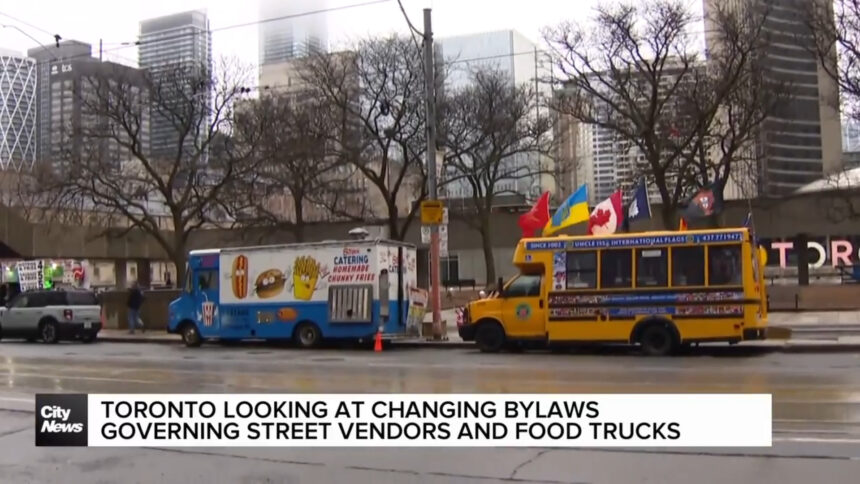
The city wants to change how street vendors and food trucks operate. Staff members recently put forward recommendations that could reshape our sidewalks and curbs. One councillor called them the “no fun” rules from Old Toronto. That phrase stuck with me during my research.
Toronto’s current system frustrates many small business owners. Food truck operators tell me they spend more time navigating permits than serving customers. Street vendors face similar headaches with location restrictions and operational hours. These aren’t new complaints in our city.
CTV News Toronto confirmed that city staff presented their recommendations this week. The timing matters because warmer weather brings more foot traffic downtown. Vendors could benefit from clearer rules before summer hits.
I spoke with Maria Santos last month. She runs a taco truck near Nathan Phillips Square. Her biggest challenge isn’t competition or food costs. It’s understanding where she can legally park her truck each day. The current bylaws restrict mobile food vendors from setting up near brick-and-mortar restaurants. That limits her options significantly.
The proposed changes aim to simplify these restrictions. City planners want to create designated zones for food trucks and street vendors. This approach works well in cities like Vancouver and Montreal. Those municipalities saw increased revenue and happier business owners after similar reforms.
Toronto’s economy needs this boost right now. Small vendors contribute millions to our local economy annually. They create jobs and add vibrancy to our neighborhoods. Yet outdated regulations hold them back from reaching their full potential.
Councillor Paula Fletcher has championed these changes publicly. She represents Toronto-Danforth and understands how regulations impact local businesses. Fletcher argued that Old Toronto’s conservative approach to street vending no longer serves residents well. Her comments resonated with many constituents who want livelier public spaces.
The “Old Toronto” reference points to pre-amalgamation rules. Before 1998, the former City of Toronto maintained strict controls on street activities. Those regulations prioritized order and cleanliness over commercial flexibility. Some argue this philosophy still haunts our current bylaws decades later.
I walked through Kensington Market yesterday afternoon. The area thrives because vendors operate more freely there. Artists sell handmade jewelry next to food stalls offering international cuisine. This organic street economy attracts tourists and locals alike. Imagine replicating that energy across other Toronto neighborhoods.
The proposed bylaw changes would expand permitted vending hours. Currently, most vendors must pack up by 7 PM. That cutoff seems arbitrary when considering Toronto’s night economy. Concert venues, theaters, and sports facilities draw crowds well into evening hours. Food trucks could serve those customers if regulations allowed.
Location restrictions might also see significant updates. The current 50-meter buffer zone between food trucks and restaurants protects established businesses. However, critics argue this protection hurts consumers by limiting choices. The city might reduce that buffer or eliminate it entirely in certain districts.
The City of Toronto currently manages over 2,000 street vendor permits annually. That number could grow substantially if barriers decrease. More vendors means more competition, which typically improves quality and pricing for customers.
I’ve noticed growing support for these changes among younger Torontonians. Millennials and Gen Z residents grew up visiting cities with vibrant street food cultures. They expect similar options in their own neighborhoods. City planners recognize this demographic shift influences policy decisions.
Business improvement areas throughout Toronto have mixed reactions. Some embrace food trucks as foot traffic generators. Others worry about impacts on member restaurants already struggling with thin margins. The Transportation Services division must balance these competing interests carefully.
Public health regulations add another layer of complexity. Food trucks must meet the same safety standards as traditional restaurants. The current permit system ensures compliance through regular inspections. Any bylaw changes must preserve these protections while reducing bureaucratic friction.
I reached out to several food truck operators for their perspectives. Ahmed Khan operates a butter chicken truck in the Financial District. He told me permit costs eat up roughly 15 percent of his annual revenue. Streamlined processes could reduce those expenses and boost profitability. That extra money goes back into his business or his family budget.
The environmental angle deserves consideration too. Food trucks generate less waste than traditional restaurants in many cases. They require smaller physical footprints and consume less energy. Supporting mobile vendors aligns with Toronto’s sustainability goals if done thoughtfully.
City Council will debate these recommendations in coming weeks. Staff presentations included data from comparable cities and local stakeholder feedback. The research phase took nearly two years to complete. This thoroughness suggests serious intent behind the proposals.
I’m cautiously optimistic about these potential changes. Toronto has struggled to shed its reputation as overly regulated and resistant to innovation. Progressive street vending rules could signal a broader shift in municipal thinking. Our city works best when we empower entrepreneurs rather than restrict them.
The economic arguments make sense alongside quality-of-life improvements. Vibrant streets with diverse food options create destinations people want to visit. That benefits everyone from vendors to neighboring shops to transit systems. It’s a multiplier effect our city desperately needs.
Weather will test any new system’s effectiveness. Toronto winters challenge outdoor vendors significantly. Smart regulations should account for seasonal variations and provide flexibility. Year-round vendors need different support than summer-only operations.
I’ll continue following this story as it develops through Council chambers. The outcome matters for thousands of current and aspiring small business owners. It also shapes what kind of city Toronto becomes over the next decade. We could embrace street-level commerce or maintain status quo restrictions.
These bylaw changes represent more than administrative tinkering. They reflect fundamental questions about public space usage and economic opportunity. Getting this right requires balancing safety, fairness, and entrepreneurial freedom. That’s exactly the kind of challenge Toronto should embrace confidently.