

I’ve been covering Toronto for years, and this story caught me completely off guard. A cargo ship carrying $90,000 worth of food destined for Daily Bread Food Bank was struck in the Strait of Hormuz. That narrow waterway between the Persian Gulf and the Gulf of Oman just became unexpectedly relevant to families struggling with food insecurity right here in our city.
The news broke when Daily Bread officials confirmed the incident to CTV News. The organization had arranged for this substantial shipment to help address the overwhelming demand they’re experiencing. Now that supply sits uncertain, thousands of kilometers away in one of the world’s most geopolitically sensitive shipping lanes.
Daily Bread Food Bank serves as Toronto’s largest food bank network. They distribute millions of pounds of food annually to roughly 200 member agencies across the city. The organization has seen demand skyrocket over the past two years. Inflation, housing costs, and economic pressures have pushed more Toronto families toward food assistance than ever before.
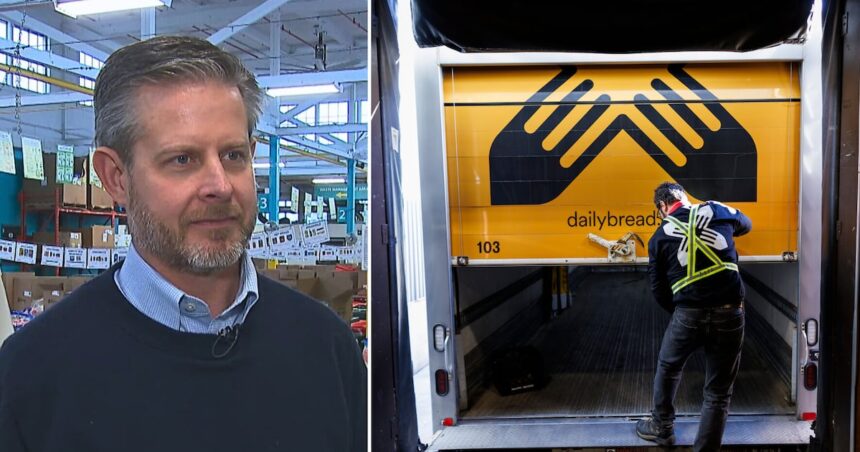
This particular shipment represented a significant portion of their planned inventory. Neil Hetherington, the organization’s CEO, expressed concern about the disruption. The timing couldn’t be worse, as winter months typically see increased demand from families already stretched thin by heating costs and holiday expenses.
The Strait of Hormuz has long been a critical chokepoint for global shipping. Roughly one-fifth of the world’s petroleum passes through this narrow passage. Recent geopolitical tensions in the region have made commercial shipping increasingly risky. What many Torontonians might not realize is how directly these distant conflicts can impact our local food security.
I spoke with several food security experts around the city. They’ve been warning about supply chain vulnerabilities for years. Canada imports roughly 60 percent of fresh fruits and vegetables. We rely heavily on international shipping networks that can be disrupted by conflicts, weather events, or infrastructure failures.
Dr. Sarah Chen at the University of Toronto’s Food Systems Research Network explained the complexity. She noted that food banks have increasingly turned to international suppliers to stretch their budgets. Bulk purchasing from overseas sources allows organizations like Daily Bread to secure more food per dollar spent. However, this strategy introduces new risks that domestic sourcing typically avoids.
The incident highlights a troubling reality for charitable food distribution in Toronto. Demand has increased by approximately 130 percent since early 2020 according to recent Daily Bread reports. The organization served roughly 270,000 client visits last year. That number represents actual Toronto residents, families, and individuals who couldn’t afford adequate food without assistance.
Local food rescue operations have tried to fill gaps. Organizations like Second Harvest work to redirect surplus food from restaurants, retailers, and distributors. But rescued food remains unpredictable and insufficient to meet current demand levels. Planned shipments like the one now stranded provide the reliable bulk staples that food banks need.
The financial impact extends beyond the immediate $90,000 loss. Daily Bread will likely need to source replacement food at higher costs. Domestic suppliers typically charge more than international bulk providers. Rush orders compound the expense. Insurance coverage remains unclear, and processing claims takes time that hungry families simply don’t have.
Toronto city councillor Alejandra Bravo, who represents one of the hardest-hit areas for food insecurity, called the situation unacceptable. She emphasized that municipal governments need better contingency planning for food supply disruptions. Bravo has been pushing for increased city funding to support food banks and community meal programs.
The shipping company hasn’t released detailed information about the incident. Initial reports suggest the vessel sustained damage but remains seaworthy. Whether the cargo itself was compromised remains uncertain. Food safety regulations may prevent distribution even if the physical goods arrive intact, depending on storage conditions following the incident.
I’ve watched food bank lineups grow longer across Toronto neighborhoods over the past several years. What once seemed like temporary pandemic-related spikes have become the new normal. Working families, seniors on fixed incomes, and international students all increasingly rely on food assistance. The system was already strained before losing a major shipment.
Food bank volunteers I’ve interviewed describe the emotional weight of turning people away. Limited supplies mean difficult decisions about who receives help and how much. A shipment worth $90,000 might seem modest compared to overall food bank operations, but it represents thousands of meals for Toronto families.
The incident also raises questions about risk management for charitable organizations. Should food banks diversify their supply chains further? Does relying on international shipments expose vulnerable populations to unnecessary risk? Or do the cost savings justify occasional disruptions? These aren’t simple questions with obvious answers.
Global shipping insurance costs have increased substantially over the past year. Insurers recognize the heightened risks in certain maritime regions. Charitable organizations operating on tight budgets may struggle to afford comprehensive coverage. Yet operating without adequate insurance leaves them exposed to exactly these kinds of losses.
Climate change adds another layer of complexity to food supply chains. Extreme weather events disrupt shipping schedules with increasing frequency. Droughts and floods impact agricultural production globally. Toronto’s food security increasingly depends on factors far beyond local control.
Daily Bread continues working to secure alternative food sources while monitoring the situation. They’ve issued appeals for public donations to offset the potential loss. Community support remains crucial as the organization navigates this unexpected challenge.
The broader lesson extends beyond one interrupted shipment. Toronto’s food security infrastructure faces systemic vulnerabilities that require attention from policymakers, business leaders, and engaged citizens. Geographic and economic factors we once considered distant abstractions can directly impact whether our neighbors have enough to eat.
I’ll continue following this story as more information emerges. The fate of that shipment matters deeply to thousands of Toronto families counting on Daily Bread’s network. It also serves as a reminder that our city’s wellbeing connects to global systems in ways we don’t always recognize until something goes wrong.