
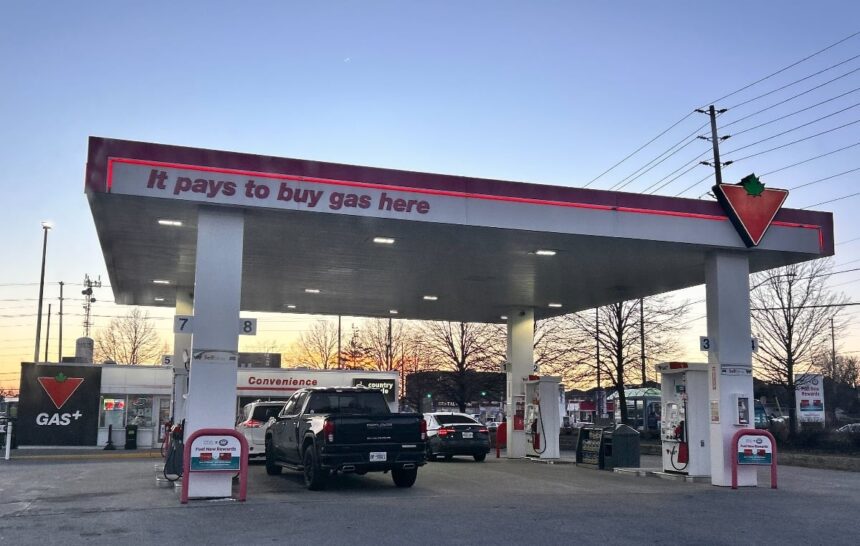

I’ve been covering Toronto’s economic landscape for over a decade, but nothing prepares you for the shockwaves that ripple through our city when global conflicts hit the gas pump. Walking through my Leslieville neighborhood this morning, I noticed something unsettling at the Petro-Canada on Queen Street East. The price display read $2.17 per litre. Just three weeks ago, that same station was charging $1.84.
The escalating tensions in the Middle East have created a perfect storm for Toronto drivers. As someone who interviews business owners daily, I’m hearing the same concerns echoed from Scarborough to Etobicoke. Rising fuel costs aren’t just inconvenient anymore. They’re reshaping how our city functions.
Dan McTeague, president of Canadians for Affordable Energy, told me yesterday that we’re experiencing unprecedented volatility. His organization tracks fuel prices across the country. Toronto sits at the epicenter of these increases within Ontario. McTeague explained that global oil markets react immediately to geopolitical instability. When conflicts threaten supply chains in oil-producing regions, speculation drives prices upward before actual shortages occur.
The numbers tell a stark story. According to GasBuddy’s latest data, Toronto’s average gas price jumped 18 percent since early February. That translates to an additional $15 to $20 every time most drivers fill their tanks. For families already stretched thin by grocery inflation and rising housing costs, this represents another financial burden.
I spoke with Maria Santos, who runs a small catering business in North York. She depends on her delivery van to serve clients across the GTA. Santos calculated that her monthly fuel expenses increased from roughly $800 to nearly $1,150. Those extra hundreds come straight from her profit margins. She’s now considering reducing her service radius or implementing delivery surcharges. Neither option appeals to her, but she sees few alternatives.
The ripple effects extend far beyond individual drivers. Toronto’s transit infrastructure faces mounting pressure as TTC ridership climbs. Metrolinx reported a 12 percent increase in GO Transit passengers during the past month alone. People are making calculated decisions about when driving makes economic sense. Brad Ross, a transportation analyst based in Toronto, suggests this trend could accelerate if prices continue climbing.
Small business owners bear the brunt disproportionately. I visited Kensington Market last Thursday to understand how vendors were adapting. Ahmed Hassan imports artisanal goods from local suppliers throughout Southern Ontario. His delivery costs have nearly doubled. Hassan raised prices modestly but worries about losing customers to larger competitors with better negotiating power. The delicate balance between survival and competitiveness weighs heavily on entrepreneurs like him.
Toronto’s fashion and retail sectors face unique challenges. Boutique owners along Queen West depend on customer foot traffic and delivery services. Sarah Chen operates a sustainable clothing store near Trinity Bellwoods Park. She sources materials from Canadian suppliers but still requires frequent transportation for inventory management. Chen told me she’s exploring partnerships with neighboring businesses to share delivery costs. Collaboration becomes essential when margins tighten.
The broader economic implications concern city planners and policy experts. Dr. Jennifer Wu, an economics professor at the University of Toronto, explained that sustained high gas prices create inflationary pressure across multiple sectors. Food prices increase because transportation costs rise. Consumer spending decreases as households allocate more income toward fuel. Service industries contract when discretionary spending drops. The interconnected nature of Toronto’s economy means no sector remains untouched.
Provincial response has been measured but insufficient according to critics. The Ontario government temporarily reduced the provincial gas tax earlier this year. However, that reduction barely offsets the recent surge. Opposition politicians argue for more aggressive intervention. Progressive Conservative representatives counter that market forces ultimately determine prices. Government capacity to influence global oil markets remains limited regardless of political positioning.
Environmental advocates see an opportunity within this crisis. Toronto’s climate action goals require reducing vehicular emissions and promoting public transit. James McKnight from Environmental Defence Canada suggested that high gas prices could accelerate adoption of electric vehicles and cycling infrastructure. The pain at the pump might catalyze the transportation transformation Toronto needs. McKnight acknowledges this perspective offers little comfort to struggling families today.
I’ve noticed changing patterns in my own reporting routine. Fewer people drive to downtown meetings. Video conferences replace in-person interviews more frequently. Coffee shop conversations reveal universal anxiety about commuting costs. One barista at my regular spot on Dundas West mentioned that several customers now walk instead of drive. Small behavioral shifts accumulate into significant societal changes.
The psychological toll shouldn’t be underestimated. Financial stress affects mental health and community cohesion. Toronto Pride Center counselors report increased anxiety related to economic pressures. Gas prices represent one visible manifestation of broader financial insecurity. When basic necessities consume larger portions of household budgets, quality of life diminishes measurably.
Looking ahead, experts remain divided on duration and severity. Some analysts predict prices will stabilize once Middle East tensions ease. Others warn that structural issues in global oil production suggest prolonged elevation. Toronto drivers face uncertainty regardless of which forecast proves accurate. Planning becomes difficult when core expenses fluctuate unpredictably.
Local mechanics report increased interest in fuel efficiency consultations. Proper tire inflation, regular maintenance, and strategic route planning can reduce consumption marginally. These small optimizations matter when every litre counts. Automotive shops across Toronto have adapted their services to address customer concerns about maximizing efficiency.
The contrast between Toronto’s downtown core and suburban communities grows sharper. Residents in well-connected neighborhoods can more easily reduce driving. Those in car-dependent areas like Etobicoke or Scarborough lack alternatives. This disparity highlights existing inequalities in urban infrastructure. Transit accessibility becomes an economic justice issue when transportation costs soar.
I remember covering Toronto’s last major gas price spike during the 2008 financial crisis. The current situation feels more complex. Multiple pressures converge simultaneously. Housing affordability, food inflation, interest rates, and now fuel costs create a challenging environment. Resilience requires creativity and community support.
Watching Toronto adapt reminds me why I love covering this city. Entrepreneurs find innovative solutions. Neighbors help each other. Conversations shift from complaints to collaborative problem-solving. We’re experiencing genuine hardship, but Toronto’s character emerges strongest during difficult times. The road ahead looks uncertain, but this city has navigated worse storms before.