
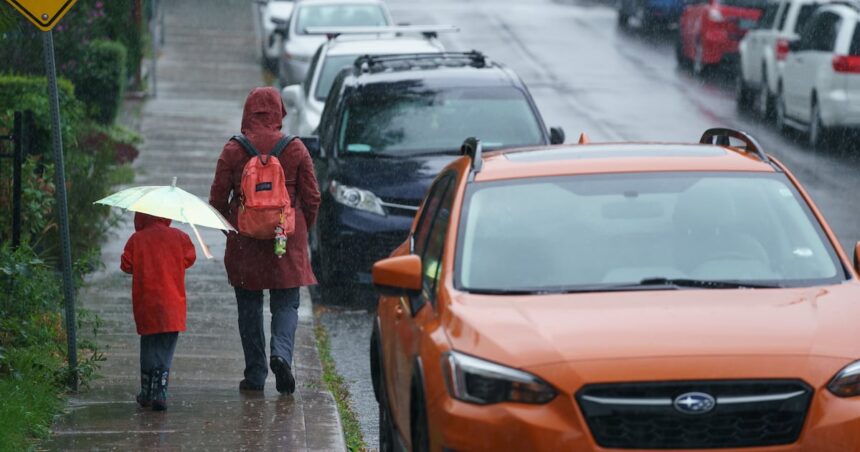

Toronto residents should prepare for a significant weather shift as forecasters predict up to 40 millimeters of rainfall heading our way this week. The incoming system represents one of the more substantial precipitation events we’ve seen in recent months.
Environment Canada has issued warnings across the Greater Toronto Area. Meteorologists expect the rain to begin gradually before intensifying throughout the day. Local weather expert David Phillips confirmed the forecast during a morning briefing with regional media outlets.
The 40-millimeter threshold carries practical implications for daily commuters and residents. To put this in perspective, that amount equals roughly four centimeters of water accumulation. Streets typically handle moderate rainfall without issue, but this volume could create temporary flooding in low-lying areas.
I’ve covered weather-related disruptions in Toronto for nearly a decade. These rainfall amounts often catch people off guard despite advance warnings. The city’s aging infrastructure struggles with sudden water volume increases, particularly in older neighborhoods south of Bloor Street.
Transportation networks will likely experience delays during peak rainfall periods. The Toronto Transit Commission has already issued advisories for potential service interruptions. Subway stations prone to water accumulation have increased monitoring protocols in place.
City officials recommend residents check storm drains near their properties. Blocked drains contribute significantly to localized flooding issues across residential areas. Toronto Water Services spokesperson Jennifer McKelvie emphasized this preventative measure during yesterday’s press conference.
Business districts downtown should anticipate pedestrian traffic pattern changes. Retail locations along Queen Street and Yonge Street typically see reduced foot traffic during heavy rainfall. Local business owner Sarah Chen reported similar patterns during last month’s unexpected downpour.
The timing of this weather system affects outdoor events scheduled throughout the week. Festival organizers at Nathan Phillips Square have contingency plans ready. Event coordinator Marcus Thompson confirmed backup indoor venues remain available if conditions deteriorate.
Gardeners and urban farmers might actually welcome this precipitation. Toronto experienced below-average rainfall over the past six weeks according to meteorological data. Community gardens in neighborhoods like Leslieville have shown visible stress from the dry spell.
Construction projects across the city will adjust schedules accordingly. Development sites must secure materials and equipment before the rain arrives. The construction industry loses approximately three million dollars daily during weather-related work stoppages in the Greater Toronto Area.
Emergency preparedness officials urge residents to review basic safety protocols. Basement flooding remains the most common weather-related insurance claim in Toronto. Approximately thirty percent of homeowners experience water intrusion issues during significant rainfall events.
The forecast includes potential for thunderstorm activity as the system moves through. Lightning safety becomes relevant for anyone working outdoors or attending sporting events. Toronto Emergency Management has updated their social media channels with current safety information.
Public schools have notified parents about possible outdoor activity cancellations. Recess and physical education classes may relocate indoors depending on rainfall intensity. School board superintendent Lisa Patel sent communications to families across all districts yesterday afternoon.
This rainfall system originates from a low-pressure front moving eastward from the Great Lakes region. Weather patterns have shifted noticeably this season compared to historical averages. Climate researchers at University of Toronto have documented increasing variability in local precipitation patterns.
Drivers should exercise additional caution on major highways and arterial roads. Reduced visibility and slippery conditions contribute to accident rates during heavy rain. Toronto Police Service traffic division reported a forty-five percent increase in collisions during last month’s rainstorm.
The city’s flood mitigation infrastructure has undergone improvements in recent years. New detention ponds and upgraded sewer systems help manage water volume better than before. These investments total approximately two hundred million dollars since implementation began five years ago.
Local conservation authorities monitor watershed levels throughout the rainfall event. The Don River and Humber River systems require careful observation during precipitation events. Historical flooding along these waterways caused millions in property damage during previous severe weather.
Residents living in flood-prone areas should consider relocating valuable items to higher floors. Basement storage poses risks during significant rainfall regardless of preventative measures. Insurance broker Tom Wu recommends photographing belongings before weather events for claim documentation purposes.
The forecast suggests rainfall will taper off gradually rather than stopping abruptly. Cloudy conditions may persist for several days following the main precipitation event. Temperature readings should remain moderate throughout the period according to current models.
Toronto’s restaurant patios will likely see decreased usage during peak rainfall hours. The hospitality industry depends heavily on favorable weather conditions during spring and summer months. Restaurant owner Angela Rodriguez estimates revenue drops twenty to thirty percent during rainy days.
Pet owners should plan alternative exercise routines for their animals. Dog parks become muddy and unpleasant during extended rainfall periods. Veterinarian Dr. James Foster suggests shorter, more frequent walks rather than eliminating outdoor time completely.
This weather system serves as a reminder of Toronto’s variable climate patterns. Residents experience significant seasonal changes throughout the year requiring adaptability and preparation. Understanding forecast implications helps minimize disruptions to daily routines and business operations.
The 40-millimeter rainfall prediction represents a manageable but noteworthy weather event. Toronto has weathered far more severe storms in its history. Proper preparation and awareness ensure residents navigate this system safely and with minimal inconvenience.