
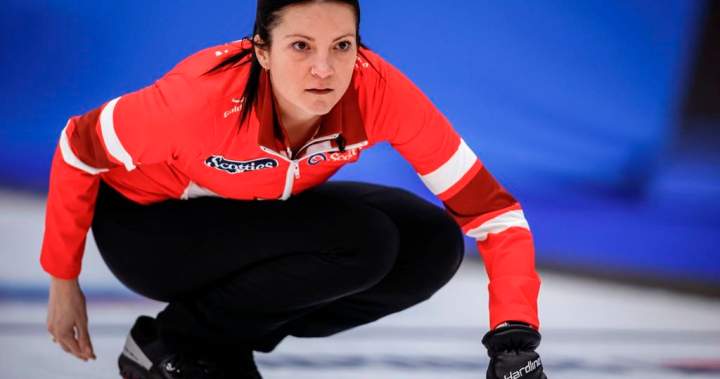

Calgary is about to become the center of the curling universe again. The Women’s World Curling Championship returns to our city, bringing with it an electric atmosphere that transforms the entire downtown core. I’ve covered enough major sporting events here to know when something special is brewing, and this tournament fits that description perfectly.
The championship draws elite teams from across the globe to compete on Alberta ice. Countries like Sweden, Switzerland, Canada, and South Korea send their best athletes to battle for the most prestigious title in women’s curling. This isn’t just another sporting event. It’s a celebration of skill, strategy, and the kind of athletic precision that makes curling such a compelling spectacle.
Walking through the Scotiabank Saddledome area during previous championships, I’ve witnessed the remarkable energy these events generate. Local businesses from Stephen Avenue to 17th Avenue see noticeable upticks in foot traffic. Restaurants fill with international visitors eager to experience Calgary’s hospitality alongside world-class competition. Hotels across downtown report capacity bookings weeks in advance.
Economic impact studies from similar events suggest the tournament injects millions into our local economy. Tourism Calgary representatives have consistently highlighted how these championships showcase the city to a global television audience. The exposure reaches viewers in dozens of countries, many seeing Calgary’s skyline and mountain backdrop for the first time. That kind of international visibility doesn’t come cheap if you tried to buy it through traditional advertising.
The participating teams represent the pinnacle of women’s curling talent. Canada’s rink typically carries enormous pressure to perform on home ice. The expectation from fans can be overwhelming, but it also creates an atmosphere unlike anything else in sport. I’ve watched crowds at these events erupt with noise that rivals playoff hockey games.
Scotland and Switzerland historically field incredibly competitive teams. Their strategic approach to the game often produces nail-biting finishes that keep spectators on the edge of their seats. Sweden’s program has developed consistent excellence over decades, producing champions who dominate the sport’s record books. Japan and South Korea have emerged as genuine threats in recent years, bringing technical precision that challenges traditional curling powers.
What strikes me most about covering these championships is the accessibility factor. Unlike many elite sporting events, curling creates opportunities for fans to interact with athletes. Players walk through venue concourses, sign autographs, and engage with supporters in ways that seem increasingly rare in professional sports. That approachability makes the championship feel more like a community celebration than a distant spectacle.
The sport itself demands respect from anyone who watches closely. Curling combines physical conditioning with chess-like strategic thinking. Teams must read ice conditions constantly, adjusting their approach based on subtle variations in temperature and surface texture. The skip’s role requires leadership qualities and tactical intelligence that would impress military strategists.
Calgary’s relationship with curling runs deep. The city has produced Olympic champions, world champions, and countless competitive curlers who’ve represented Canada internationally. Our clubs throughout the city maintain waiting lists for new members. Youth programs continue expanding, introducing children to a sport that teaches teamwork, sportsmanship, and strategic thinking.
The Saddledome provides an ideal venue for these championships. Its central location makes the event accessible to Calgarians across all quadrants. Transit connections allow fans to arrive easily without battling downtown parking challenges. The arena’s configuration creates an intimate atmosphere where every seat offers excellent sightlines to the action.
Television coverage brings the championship into homes across Canada and internationally. Production values for curling broadcasts have improved dramatically over the past decade. Multiple camera angles, expert commentary, and detailed graphics help viewers understand the strategic complexity unfolding on screen. The sport translates surprisingly well to television, with its measured pace allowing broadcasters to explain tactical decisions in real time.
Volunteer contributions make these championships possible. Hundreds of Calgarians donate time to help with everything from icemaking to hospitality services. I’ve interviewed volunteers at past events who describe the experience as deeply rewarding. Many return year after year, forming friendships with fellow volunteers and creating a community within the larger event.
The championship schedule typically runs across ten days of competition. Round-robin play establishes seeding for playoff rounds, where margins for error disappear completely. Teams that survive to the medal rounds have demonstrated consistency and mental toughness throughout grueling competition. The final matches often produce dramatic moments that become instant classics in curling history.
Local curling clubs experience membership spikes following these championships. The visibility inspires people who’ve never considered the sport to give it a try. Recreational leagues accommodate players of all skill levels, from complete beginners to former competitive athletes seeking a new challenge. The social aspects of curling appeal to people looking for community connection alongside physical activity.
Calgary’s food and beverage scene benefits substantially from the international influx. Visitors from Europe and Asia often express surprise at the quality and diversity of our restaurant options. The championship becomes an opportunity to showcase Alberta beef, craft breweries, and the culinary creativity that’s transformed our dining landscape over the past fifteen years.
Weather always adds an unpredictable element to major Calgary events. March can deliver anything from chinook warmth to late-season snowstorms. International visitors sometimes arrive unprepared for our climate’s variability, creating memorable stories about borrowed jackets and unexpected winter experiences. Locals take a certain pride in watching visitors navigate our weather patterns.
The championship reinforces Calgary’s reputation as a premier host city for international sporting events. Our track record includes Olympics, world championships across multiple sports, and countless national tournaments. That experience creates infrastructure and expertise that makes hosting these events appear seamless to visitors. Behind the scenes, thousands of hours of planning ensure smooth operations.
Women’s sports continue gaining the recognition and support they’ve long deserved. This championship represents another step forward in that journey. The athletes competing here demonstrate skill levels that rival any sporting discipline. Their dedication to excellence deserves celebration and the kind of packed venues that create unforgettable competitive atmospheres.
As someone who’s covered Calgary’s evolution over many years, I appreciate how events like this contribute to our city’s character. We’re not just a resource economy town anymore. We’re a sophisticated city that attracts international attention for culture, sport, and quality of life. The Women’s World Curling Championship adds another chapter to that ongoing story, one that I’m genuinely excited to witness unfold.